
Project basics
Identify the property or general location, the type of residential project and the stage it has reached.
- Project address or area
- New home or other residential scope
- Current design / construction stage
- Important timing context
Before the build
You do not need every final answer before contacting Big Creek Concrete. You do need enough context to distinguish confirmed facts, open decisions and the current project stage.
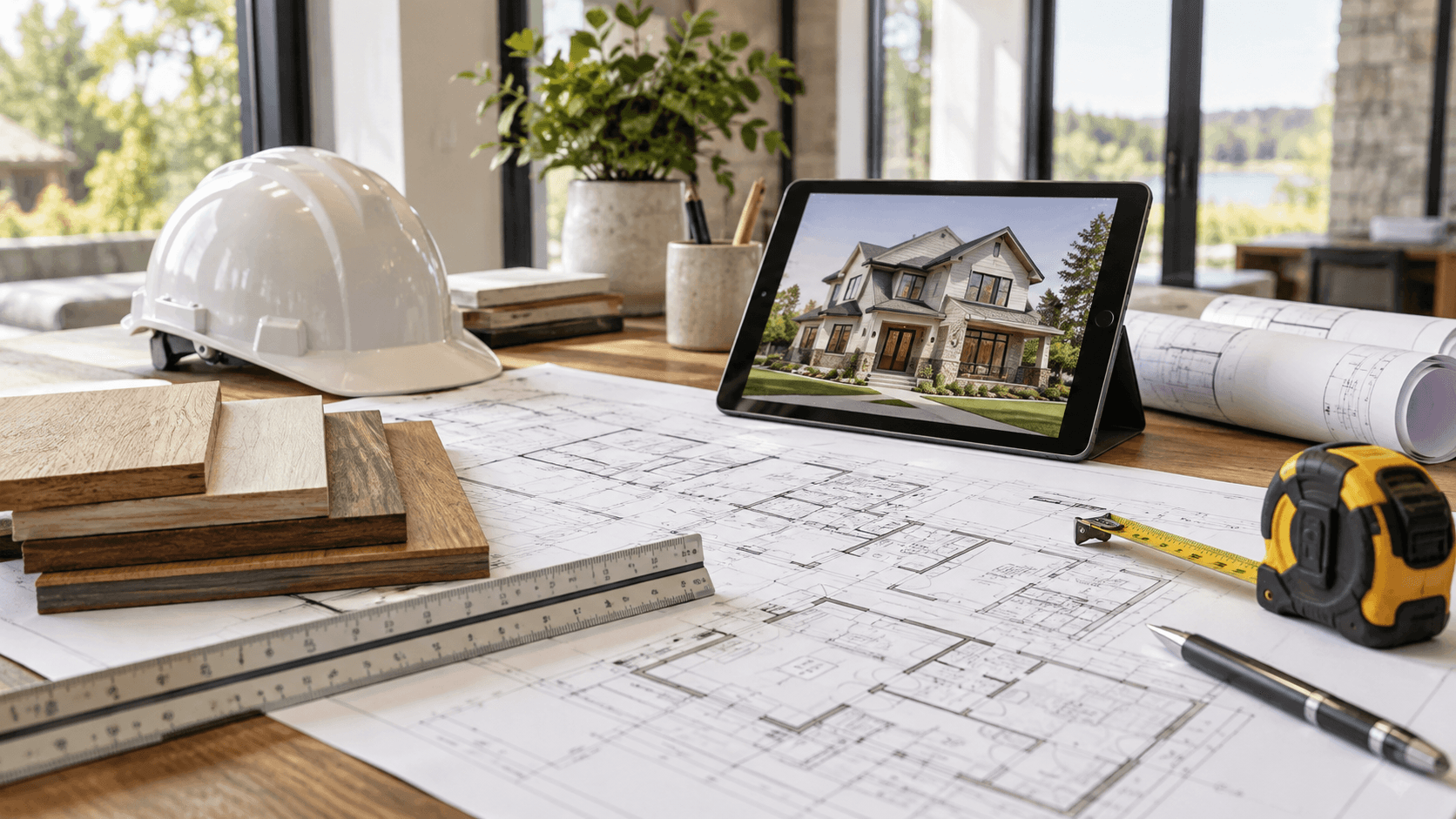
Planning checklist
These categories help organize an early conversation. If something is unknown, label it as unknown rather than filling the gap with an assumption.
Identify the property or general location, the type of residential project and the stage it has reached.
Keep current versions easy to distinguish from older material so the project is discussed from the same reference point.
Write down what still needs to be understood instead of treating open decisions as final.
Planning by dependency
Some choices can remain open for a while. Others affect structure, rough openings, ordered materials, mechanical routing or inspection readiness. Planning becomes more manageable when decisions are organized by when the construction sequence needs them.
Think beyond the house footprint. Deliveries, grade, staging space, existing structures and utilities can influence how the property functions during construction.
Maintain one current set and make changed information easy to identify. This reduces the chance of a later stage being discussed from superseded dimensions or layouts.
Explain why a date matters. Permits, financing requirements, seasonal conditions, material lead times or other dependencies may be more useful than an arbitrary completion target.
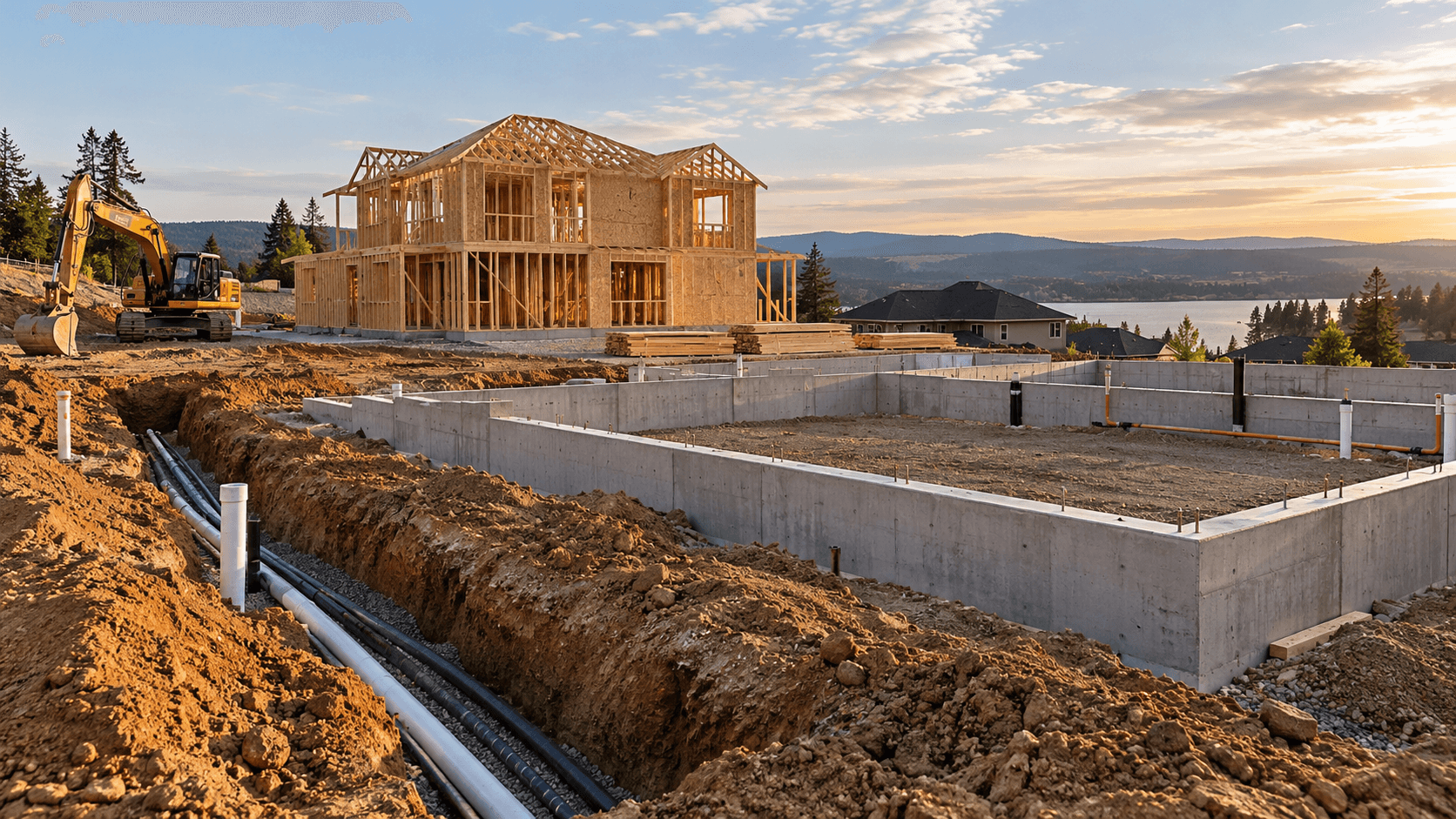
Share the project location, current stage and the information you already have. That is enough to begin a practical construction conversation.