
1
Start with the project as it exists today
The first useful step is understanding the location, type of residential project, current stage, available plans and the specific questions or scope that need to be discussed.
What to expect
The construction process is not a rigid six-step package. It is a way to keep plans, conditions, scope and dependencies visible while a single-family project advances.
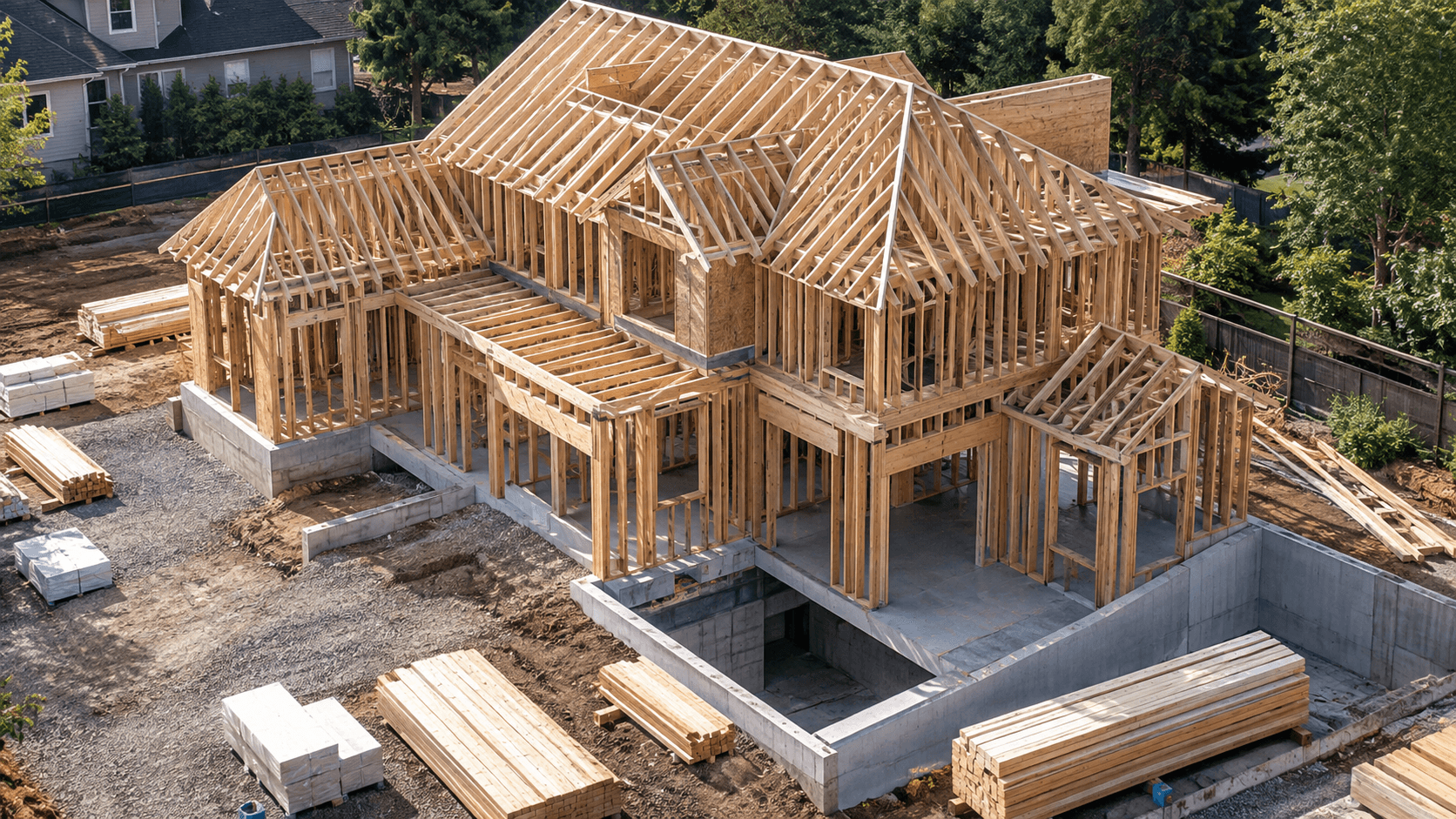
The first useful step is understanding the location, type of residential project, current stage, available plans and the specific questions or scope that need to be discussed.
Current drawings, site information, known access conditions, approvals and pending decisions help show what is ready and what may need to be resolved before the next construction stage.
Actual work is determined from the project requirements rather than a universal online service bundle. Scope discussions should connect the requested work to the plans and existing conditions.
Construction activities are coordinated around what must be complete, inspected, delivered or decided before later work can proceed.
Changes, revised plans, field conditions and next-step decisions should be communicated clearly so the construction discussion stays aligned with the current project.
Remaining work, inspections, adjustments and closeout-related requirements vary by project and any written agreement governing the build.
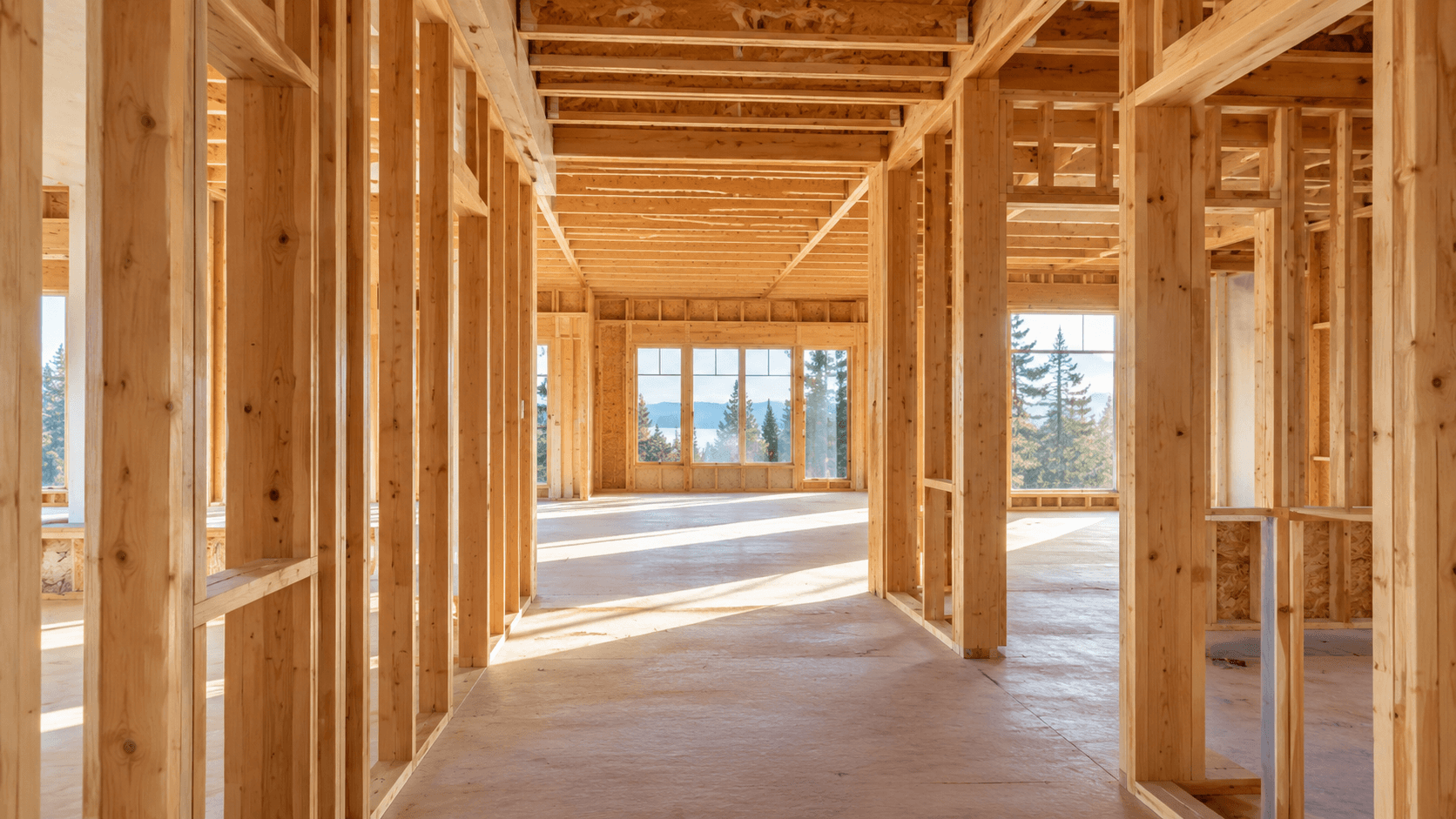
Communication through the build
Useful residential construction communication is specific. Instead of only asking whether a project is “on schedule,” it can be more productive to identify the current stage, what is complete, what is waiting on a decision, and which condition controls the next action.
That approach is especially helpful when plans change. A revised dimension, opening, material or layout can affect more than one later activity. The sooner the change is clearly documented, the easier it is to evaluate what else may be affected.
Share the project location, current stage and the information you already have. That is enough to begin a practical construction conversation.